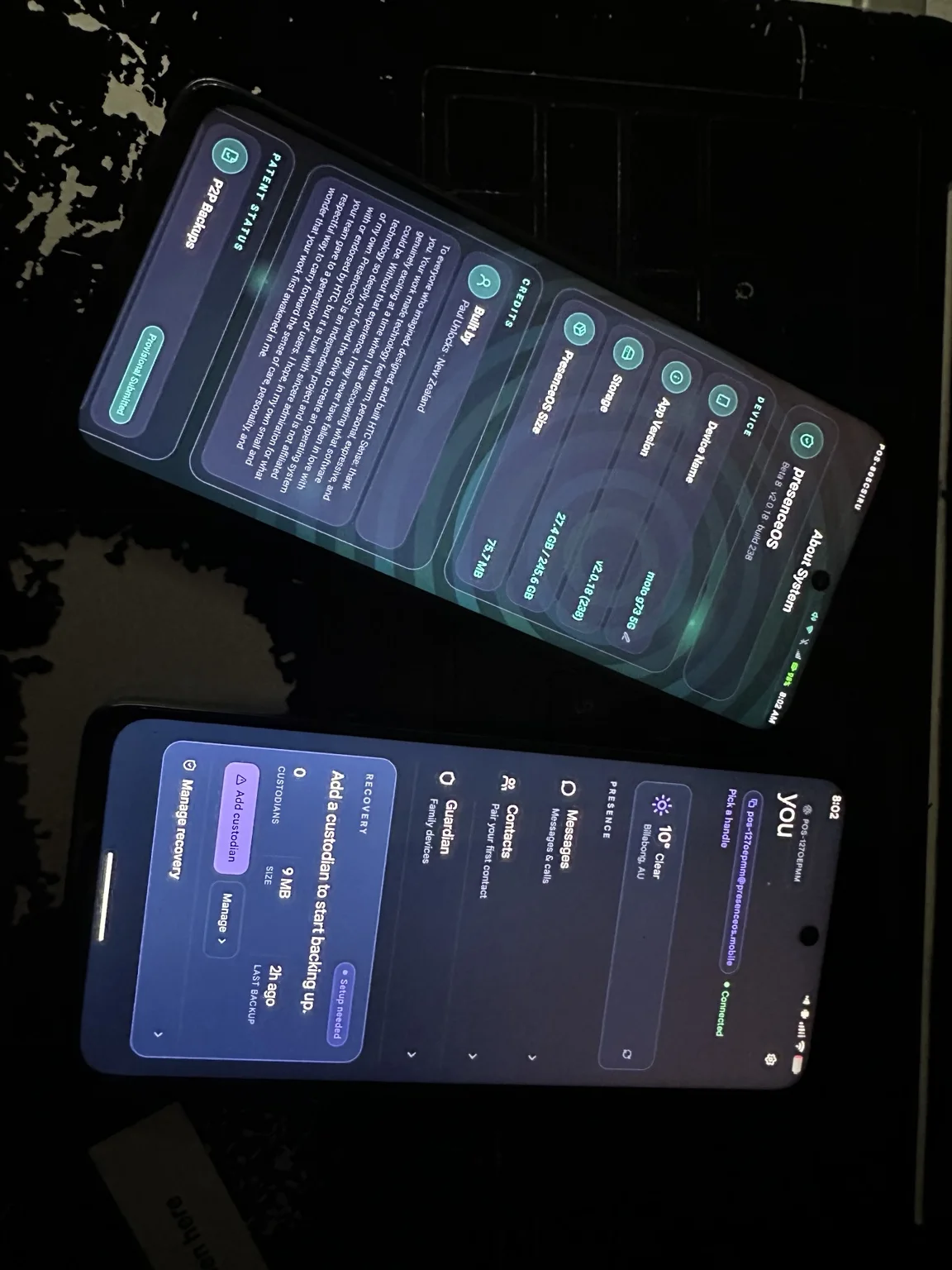
I want to start by saying something plain: I don't know anyone else in this country doing what I'm doing. Not because I'm special. Because most people who could do it are busy doing something that pays better, or something that's already been done. I've spent twenty years pulling Android phones apart since I was sixteen years old, flashing ROMs, learning how these systems actually work under the hood — not the marketing layer, the actual guts — and somewhere in the last few years that turned into something with a purpose behind it instead of just being a hobby I couldn't put down.
That purpose is my kids.
I came to New Zealand with no family here. I'll say that straight out, because it matters to what I'm about to tell you. When you don't have a village behind you, you build one, or you build something that does a village's job. I've got a life that's colourful and not exactly transparent, and I'm not going to stand here and account for every part of it — but I will tell you this: when you've lived through enough instability yourself, you develop a very specific, very stubborn instinct about what you refuse to hand your own children. And what I refuse to hand mine is a phone, a feed, an algorithm, that was built by people on the other side of the planet who have never met my kids and never will, deciding what shapes their attention, their self-worth, their childhood.
So I built PresenceOS.
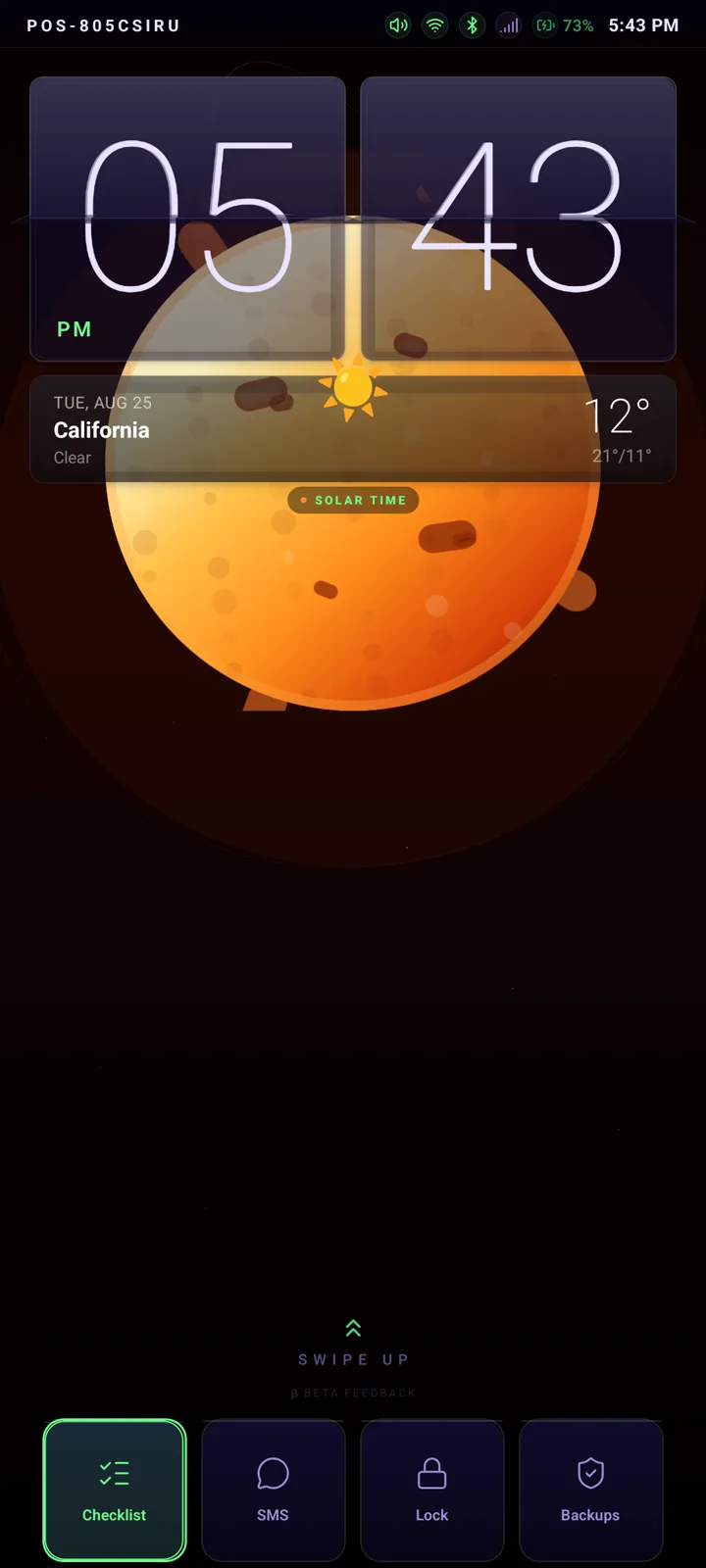
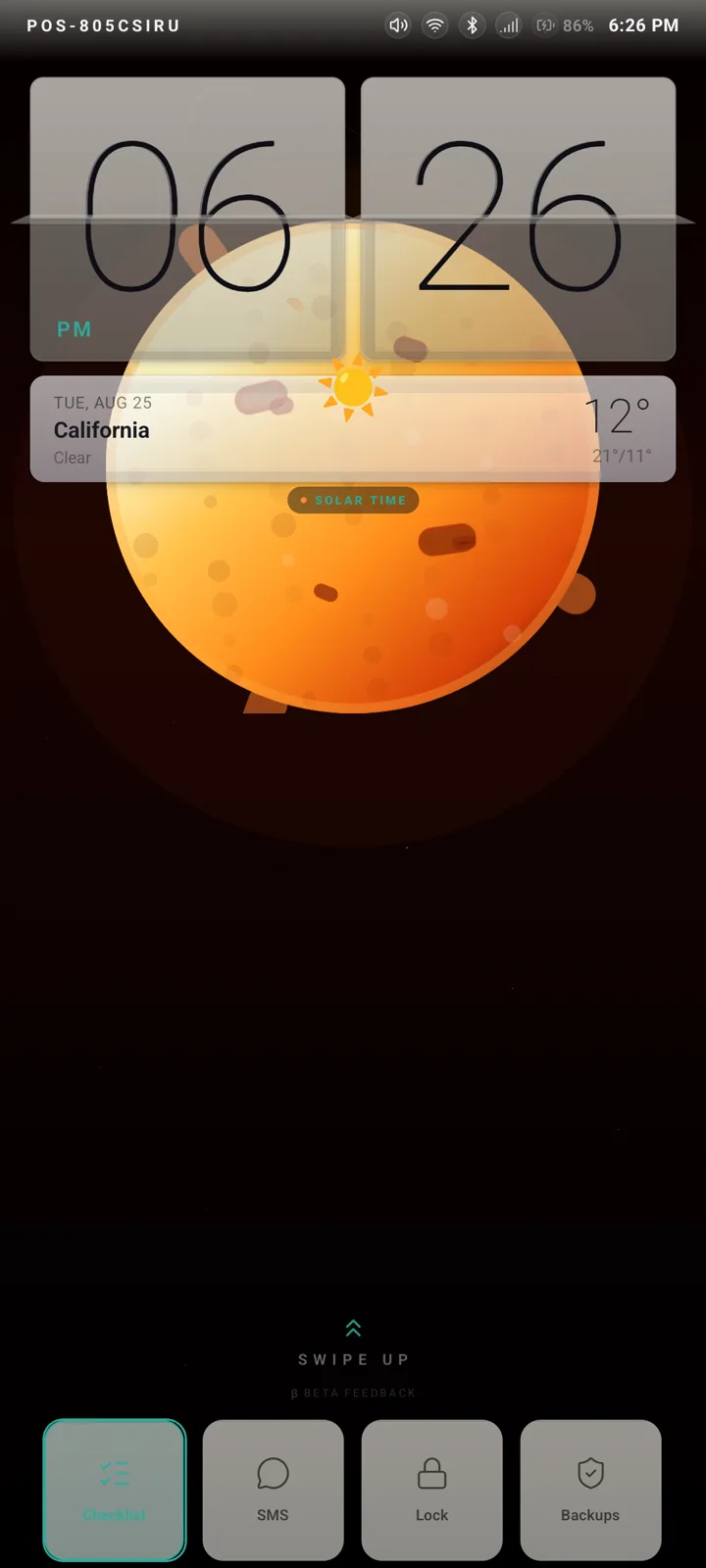
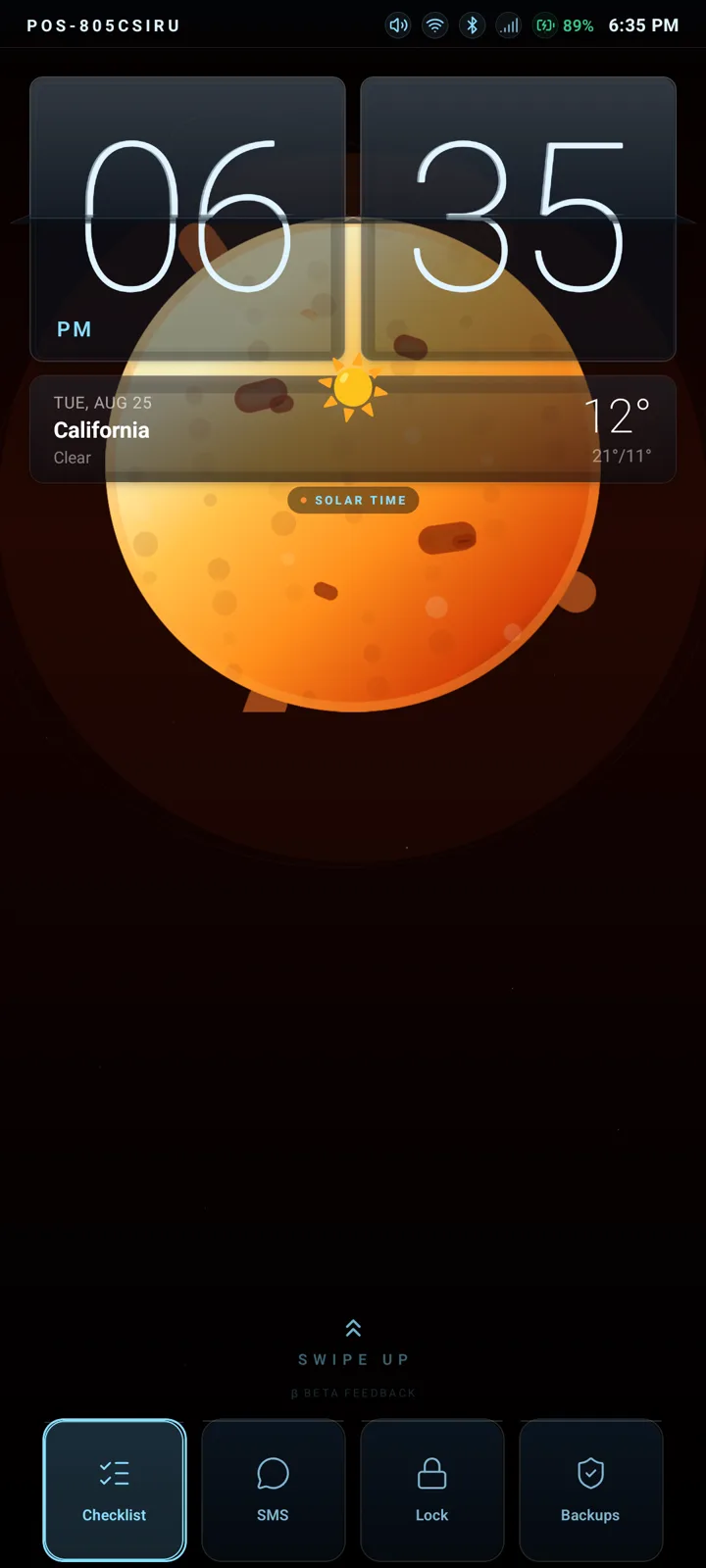
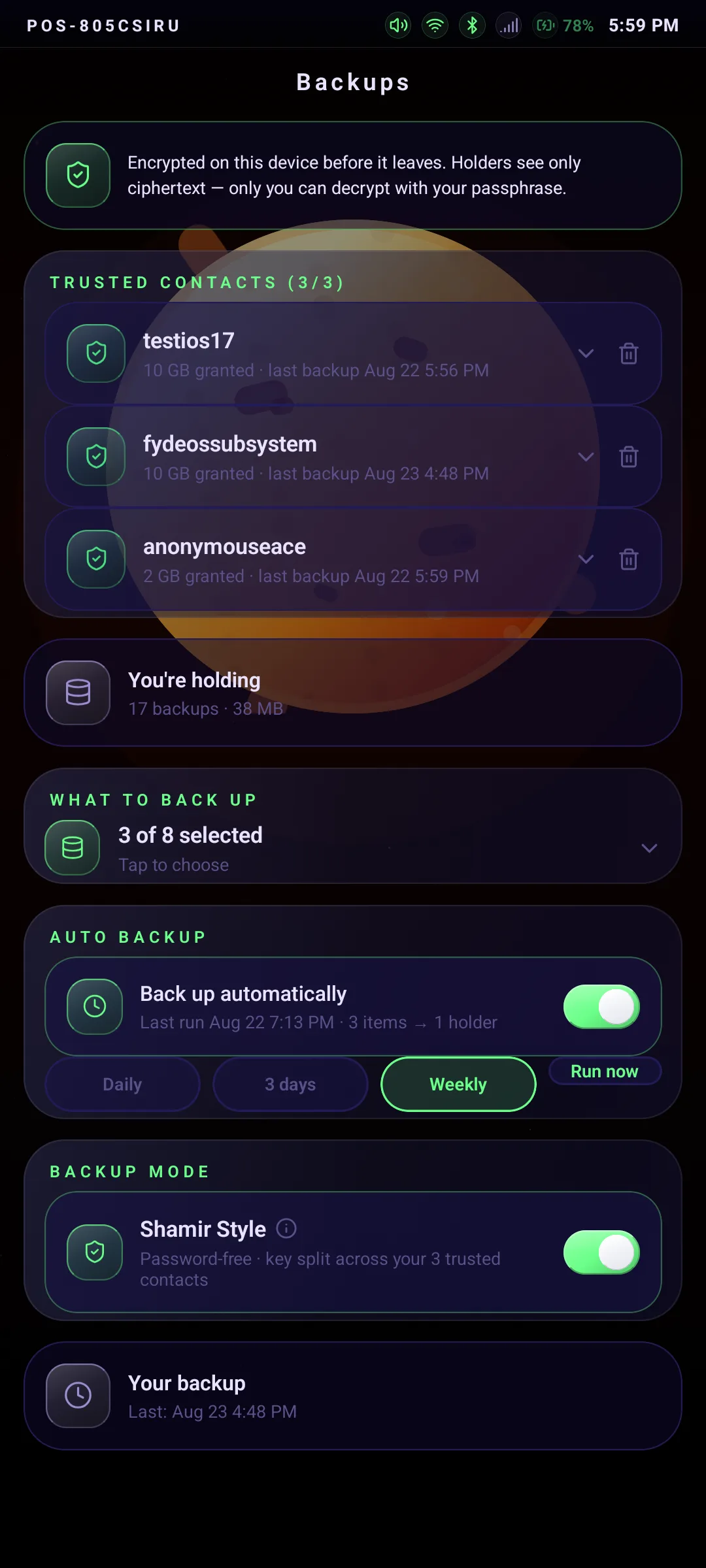
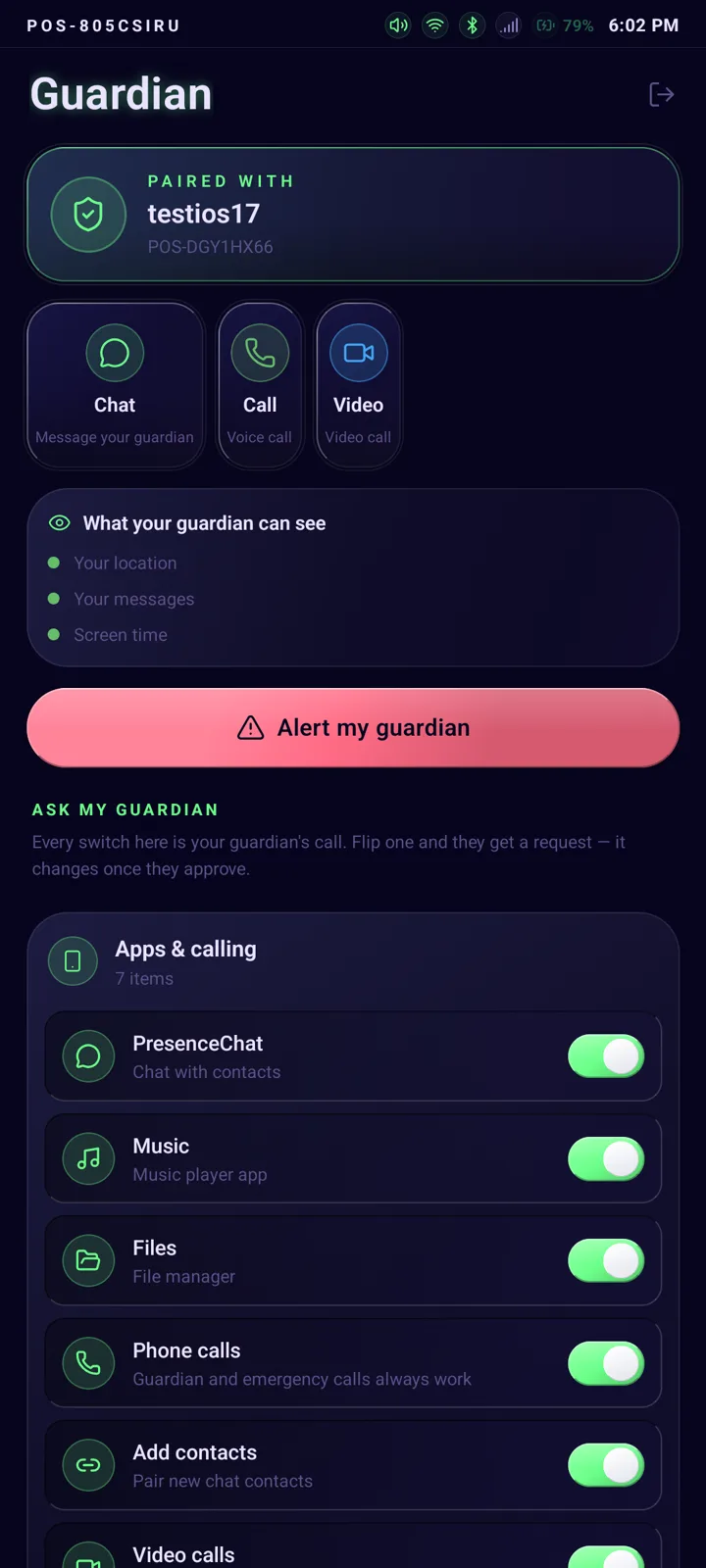
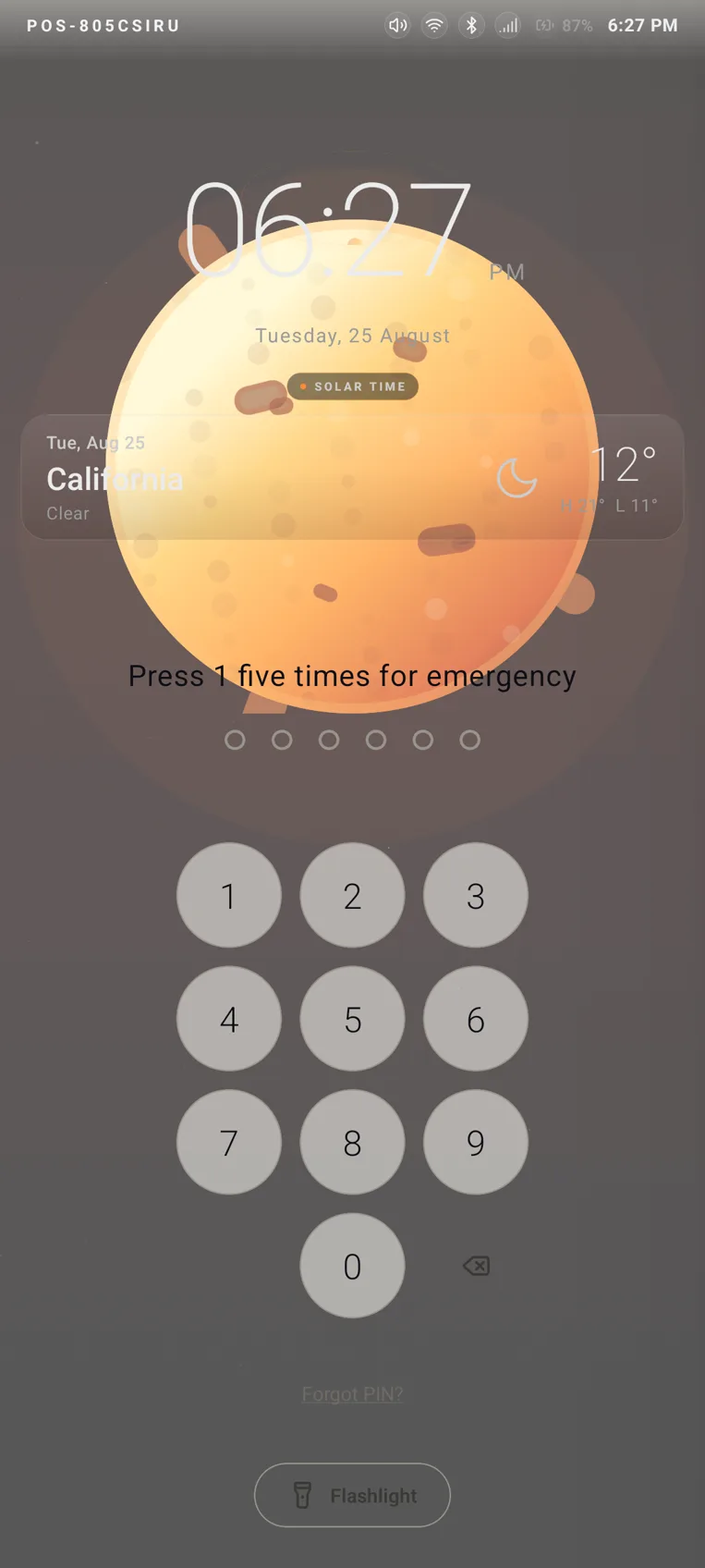
It's a privacy-first, de-Googled operating system, running today on real hardware, built for families — not built to extract, not built to profile, not built to keep a kid scrolling for one more minute so someone else's ad numbers go up. The whole trust model is different at the root: security as something the family actually holds and controls, not something a platform lends you and can take back whenever it suits them. That's not a tagline I came up with after the fact to sound nice. That's the actual architecture. Your family's digital freehold — not a lease, not a rental, not “terms and conditions subject to change.” Yours.
I'm not doing this because I think AI is evil or the internet is evil. I'm doing this because I think there's a massive, obvious gap between two failures that are happening to kids at the same time, and almost nobody is building for the space in between. On one side you've got kids handed a raw pipe to everything — no scaffolding, no judgment, algorithms optimised for engagement, not childhood — dropped straight into their pocket at nine years old. On the other side you've got kids who get nothing — patchy connectivity, no access, left behind by the same digital world everyone insists is now mandatory for school, for jobs, for functioning in society. Both of those are a failure of care. Both of those are adults deciding it's easier to hand a kid a device and walk away than it is to build something that actually thinks about what that kid needs.
I don't think I'm the only person who's noticed this. I think I might be one of the few people, at least here, actually building a working answer to it instead of writing an opinion piece about it. And look — I say that without ego, because half the reason I'm the one doing it is I'm hard-headed enough and technical enough and, frankly, isolated enough that I just went and built it instead of waiting for permission or a committee or a grant.
Here's what I want to be honest about too: I started this to solve a problem for my own family. That's still true today. If nobody else ever picks this up, if it stays a thing I run for my own kids and nothing more, I will still have done exactly what I set out to do — because my children will grow up with a phone that respects them, that keeps them safe by design instead of by luck, that lets my wife and me see what we actually need to see and nothing we don't, without turning surveillance into the whole relationship.
But I'd be lying if I said I hadn't noticed the timing. What I've built lines up, almost by accident, with where the politics around social media and kids is heading anyway — the age restrictions, the platform accountability conversations, all of it. I didn't build PresenceOS because of that legislation. I built it because I needed it. But if the law and the technology end up pointed the same direction, that's not a coincidence I'm going to apologise for. It might mean there's a real opening here — not just for my family, but for a country-scale answer. A New Zealand-built, New Zealand-run system, for our kids, that isn't social media, that isn't owned offshore, that doesn't answer to shareholders who've never set foot here.
I don't know exactly where this goes. I'm not going to stand up here and promise you a national rollout or a unicorn valuation, because I don't make claims I can't back up, and neither should anyone who's asking you to trust them with your children's technology. What I can tell you is what's true today: it works, it's running, it's two bugs away from being in the hands of real families, and every design decision in it was made by someone who actually has skin in the game — not a product manager optimising a quarterly metric, a father trying to protect his kids.
If that means something to you, I'd genuinely ask you to try it. Not because I need the validation — because if it helps your family the way it's helping mine, then this stopped being just my problem a long time ago, and it became ours.
And if it doesn't mean anything to you, that's fine too. I'll keep building it for my own family regardless. That was always the deal I made with myself on day one, and it's the only promise in this whole speech I'm making without a single caveat attached to it.
Thank you.